
Lantana Removal Queensland: Why It’s One Of The Hardest Weeds To Eliminate
If you’ve been searching for Lantana removal Queensland, you’re likely dealing with a fast-spreading infestation that feels almost impossible to control. Across South East Queensland - from Caboolture and Elimbah through to the Sunshine Coast hinterland - lantana has become one of the most persistent and damaging invasive weeds affecting rural and semi-rural properties.
But why is it so difficult to eliminate?
Why Lantana Spreads So Aggressively In Queensland
Lantana (Lantana camara) is listed as a Weed of National Significance in Australia due to its environmental and agricultural impact. According to the Queensland Government, it invades native bushland, suppresses pasture growth and increases fire risk across affected properties.
Queensland’s subtropical climate provides ideal growing conditions for lantana. Warm weather, seasonal rainfall and disturbed land allow it to thrive and spread quickly. Once established, it forms dense, woody thickets that are extremely difficult to access and remove.
Lantana spreads in several ways:
Birds disperse seeds across large distances
It regenerates from remaining root systems
Dense growth blocks sunlight from reaching other plants
It competes aggressively with native vegetation
Because of this, simply cutting or slashing lantana rarely eliminates it. In many cases, it returns thicker than before.
Why DIY Lantana Removal Often Fails
One of the most common misconceptions about Lantana removal Queensland is that occasional clearing or mowing will solve the issue. In reality, lantana develops thick, intertwined stems and deep root systems that remain active even after surface growth is removed.
Without properly managing the woody structure and root base, regrowth can occur rapidly. This is why many property owners find themselves clearing the same areas repeatedly without long-term success.
Dense lantana infestations can also:
Restrict access to paddocks, fence lines and tracks
Create habitat for pests and snakes
Increase fire fuel loads in dry conditions
Reduce usable land for grazing or development
For acreage owners and landholders, these impacts can quickly affect both safety and productivity.
What To Consider Before Removing Lantana
Before starting any lantana removal project, it’s important to assess a few key factors:
The density and maturity of the infestation
Terrain, including slopes or rocky areas
Access for machinery and equipment
Long-term goals for the land (pasture, development or hazard reduction)
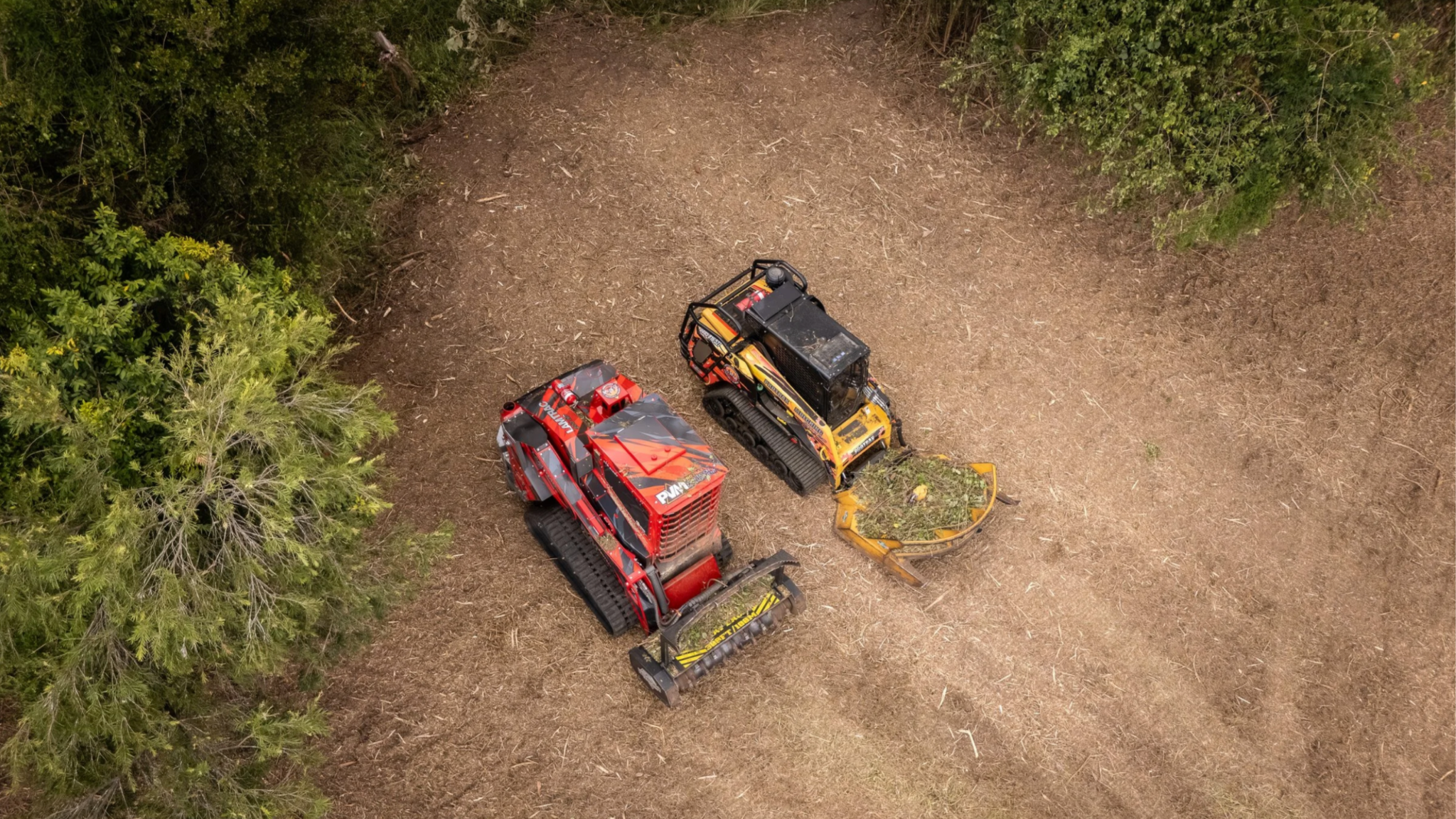
In many situations, mechanical forestry mulching is used to cut, grind and return vegetation back into the soil in one process. This helps reduce fuel loads while creating a nutrient-rich mulch layer that supports healthier regrowth of desired vegetation.
Why Early Action Matters
Unchecked lantana growth does more than create an untidy appearance. It can reduce biodiversity, impact pasture productivity and increase bushfire risk throughout South East Queensland.
Acting early is almost always more cost-effective than waiting until infestations become widespread. Understanding how lantana spreads - and why it returns so easily - is the first step toward managing it effectively.
If you’re unsure how severe your infestation is or what approach is best for your property, you can find practical answers to common questions on our FAQs Page.
Lantana Removal Queensland: Reclaiming Overgrown Land
Although lantana is one of the hardest invasive weeds to eliminate in Queensland, it can be managed successfully with the right strategy and equipment. With proper planning and professional vegetation management, overgrown land can be restored to usable, productive space.
If your property across South East Queensland or Northern NSW is overrun and you’re ready to take back control, the team at Protrax can assess your site and recommend a tailored solution to help you reclaim your land with confidence.