
The Science Behind Forestry Mulching Queensland: Soil Health, Fire Risk And Regrowth Explained
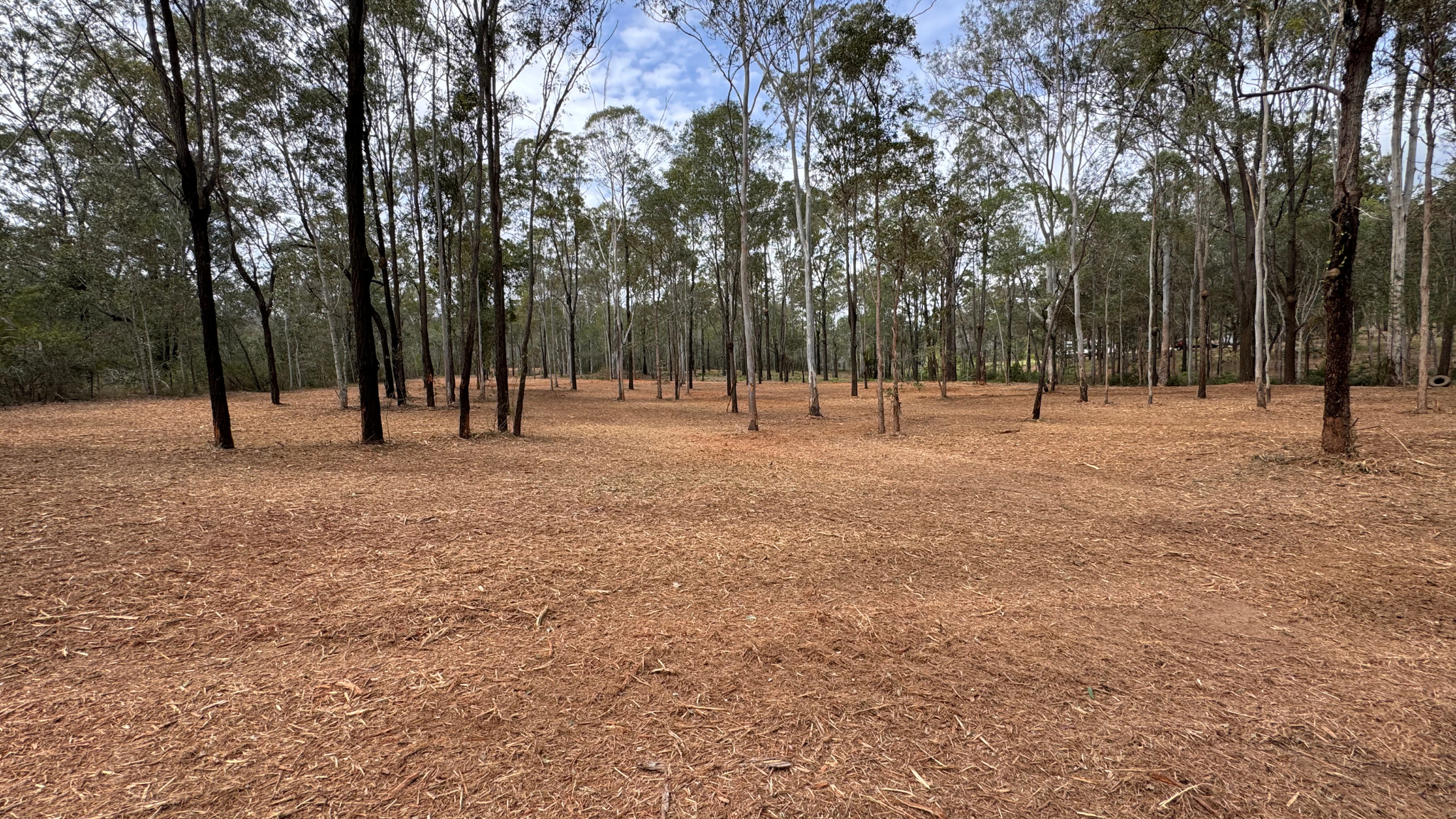
When it comes to managing dense vegetation, invasive species and overgrown paddocks across South East Queensland, forestry mulching in Queensland provides a practical and environmentally responsible alternative to traditional mechanical clearing or vegetation removal methods. By mulching vegetation in place, rather than pushing, burning, or hauling material off-site, this approach supports soil protection, encourages controlled regrowth, and helps reduce fire fuel loads - key considerations for properties in areas such as Elimbah, Caboolture, Woodford and Beerwah.
At Protrax Vegetation Management, our machinery mulches vegetation where it stands, returning organic material back to the soil as mulch. This process leaves a protective mulch layer that helps maintain ground cover and soil structure, without creating burn piles, removing material from the land, or exposing bare ground. The result is land that is easier to manage and maintain, while minimising erosion and unnecessary ground disturbance.
Why Forestry Mulching Queensland Supports Soil Health
Healthy soil is the foundation of sustainable land management. When vegetation is mulched back into the earth, organic material breaks down over time, contributing to soil structure and helping retain moisture - particularly important in Queensland’s warm climate and variable rainfall conditions.
Mulched vegetation can help to:
Reduce soil erosion by maintaining ground cover and protecting soil structure
Improve moisture retention and reduce surface runoff
Support managed regrowth while suppressing invasive weeds
Build long-term soil conditions for pasture improvement, orchards, and farm use
These benefits make forestry mulching in Queensland a smart option for landowners seeking vegetation management solutions that maintain soil integrity while improving land usability.
To learn more about how sustainable vegetation management supports soil health and reduces fuel loads in Australian environments, CSIRO provides research-backed insights into forest processes, climate impacts and risk mitigation strategies.
How Forestry Mulching Helps Reduce Fire Risk
Overgrown vegetation (including lantana, bamboo, regrowth saplings and dense understorey) can significantly increase ground fuel loads, particularly during Queensland’s hot and dry seasons.
Protrax’s forestry mulching approach supports fire hazard mitigation by:
Managing dense and invasive vegetation while keeping soil cover intact
Reducing ground fuel loads to assist with firebreak preparation and maintenance
Improving access for emergency vehicles and ongoing land management
Supporting controlled regrowth, reducing long-term fire risk over time
For many landowners across the Glass House Mountains, Maleny and Somerset regions, proactive vegetation management plays an important role in reducing fire risk and maintaining safer properties year-round.
What To Consider Before Mulching Your Property
Before booking forestry mulching, it’s important to consider:
Your goals: Vegetation management, pasture rejuvenation, development preparation or fire hazard mitigation
Vegetation type and density: Lantana, bamboo, regrowth saplings or tangled undergrowth
Terrain: Sloped, rocky or hard-to-access areas
Desired finish: Finer mulch for regrowth or a coarser finish for suppression and access
To see the type of finish Protrax achieves across South East Queensland, view our project gallery.
Ready To Rejuvenate Your Property?
Whether you’re managing invasive species, reclaiming overgrown paddocks, maintaining fire breaks, or preparing land for safer and more productive use, Protrax Vegetation Management provides a professional vegetation management service focused on in-situ mulching, soil protection, and long-term land care.
Contact us today to discuss your property goals - every job is tailored to suit your land and its conditions.